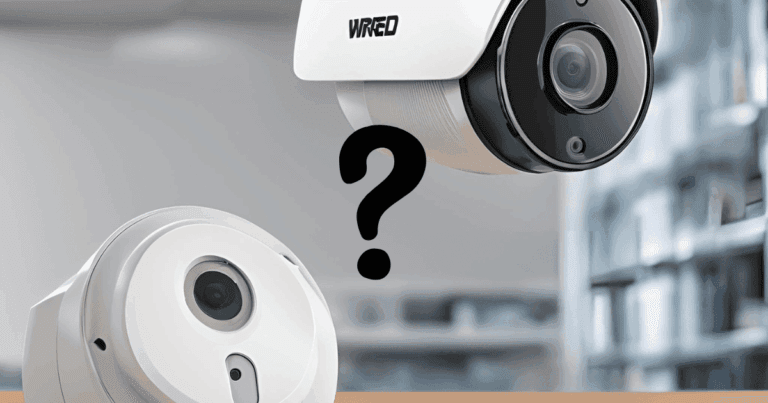
CCTV Camera lens comparison

5 Tips for Perfect CCTV Camera Placement You Can’t Afford to Ignore

When it comes to safeguarding your property, the strategic placement of CCTV cameras is paramount. Proper positioning not only maximises coverage but also ensures compliance with UK regulations. In this guide, we’ll delve into the essentials of CCTV camera placement, covering lens depths and their angles of sight, optimal installation heights to prevent tampering, privacy considerations, UK recording regulations, and the necessity of signage.

Understanding Lens Depths and Angles of Sight

The lens depth of a CCTV camera significantly influences its field of view (FOV). In simpler terms, the focal length determines how much of an area the camera can capture.

  • 2.8mm Lens: Offers a wide-angle view of approximately 110°, ideal for monitoring expansive areas like car parks or large rooms.
  • 4mm Lens: Provides a narrower view around 90°, suitable for focusing on specific zones such as entrances or corridors.
  • 6mm Lens: Delivers an even tighter view at about 51°, perfect for detailed monitoring of particular spots like cash registers.

Choosing the right lens ensures that your camera captures the desired area without blind spots. For instance, in my own experience, opting for a 2.8mm lens in our office lobby provided comprehensive coverage, eliminating previous blind spots.

https://www.securitywholesalers.com.au/wp-content/uploads/2019/10/fovlens.jpg

Installing Cameras at Optimal Heights to Prevent Sabotage

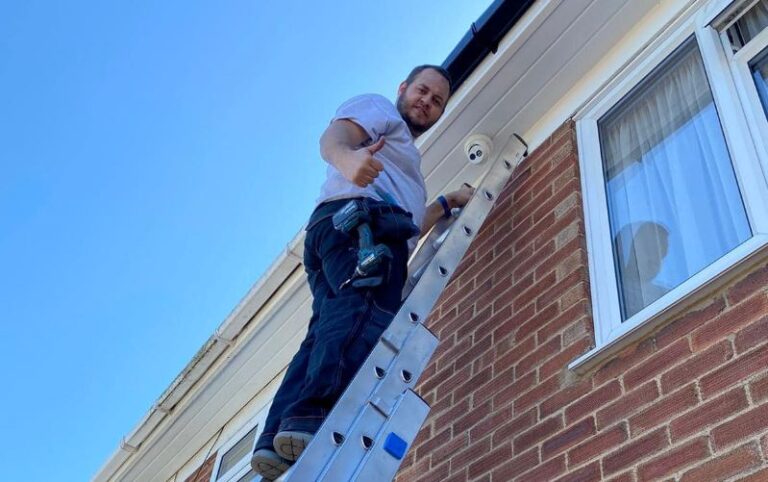
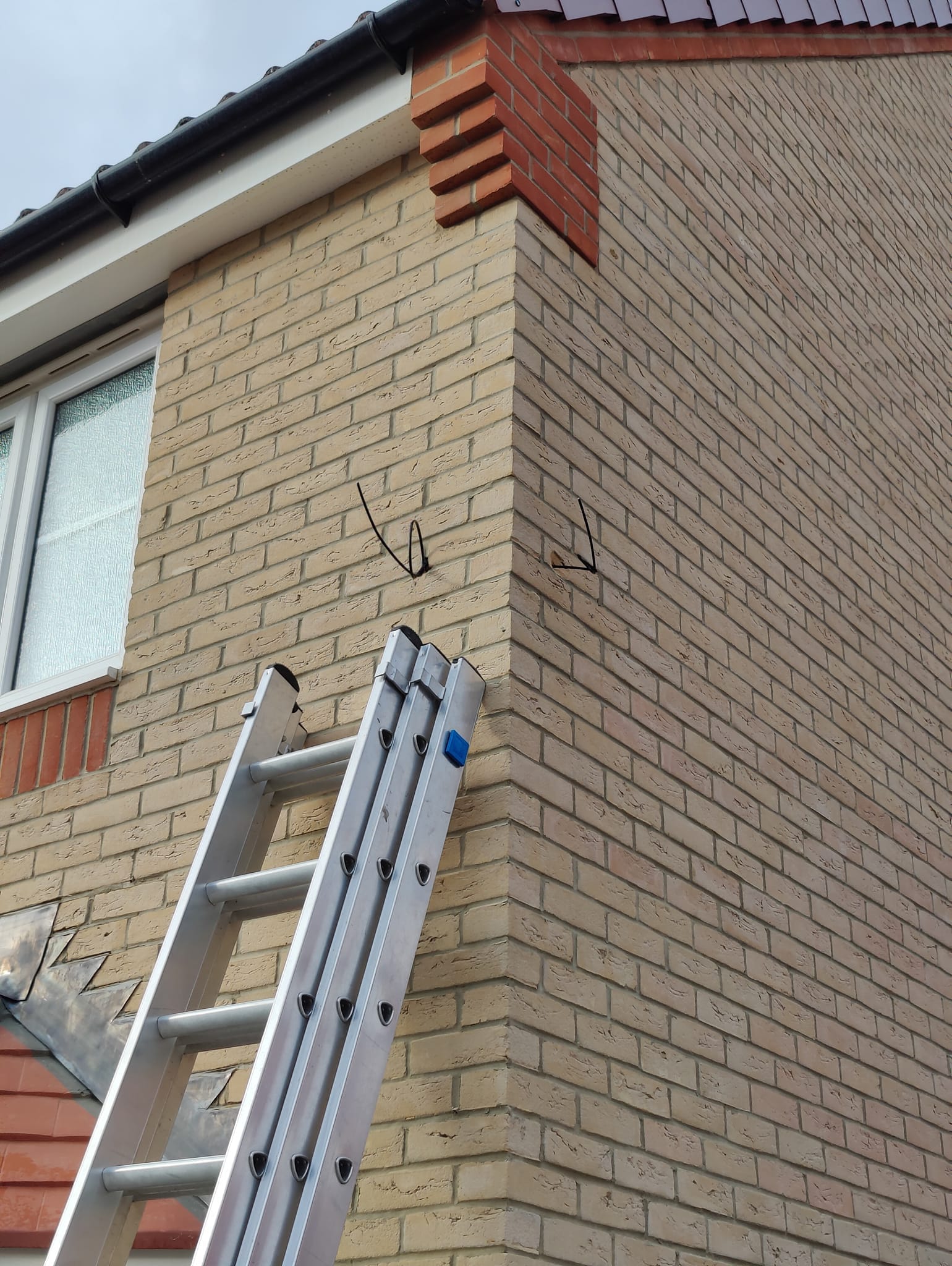
Mounting your CCTV cameras at the correct height is crucial to deter tampering or vandalism. It’s generally recommended to install cameras between 8 to 10 feet (2.5 to 3 meters) above ground level. This height strikes a balance between capturing clear facial details and keeping the equipment out of easy reach.

In areas prone to vandalism, consider using vandal-resistant camera housings and ensuring that wiring is concealed or protected. In my neighbourhood, a local shop had issues with their cameras being tampered with until they elevated them slightly and used protective casings—problems solved!

Balancing Surveillance with Privacy Considerations

While CCTV systems enhance security, it’s vital to respect individual privacy rights. Ensure that your cameras are positioned to monitor only your property and avoid capturing images of neighbouring properties or public areas. This is not just courteous but also a legal requirement.

For example, avoid pointing cameras towards neighbours’ windows or gardens. If incidental capture is unavoidable, consider using privacy masking features available in many modern CCTV systems to block out these areas.

UK Regulations on Recording: What You Can and Can’t Do

In the UK, the use of CCTV is governed by strict regulations to protect privacy. If your system records images beyond your private domestic property—for instance, capturing part of the street or a neighbour’s garden—you must comply with data protection laws.

Key requirements include:

  • Registering with the ICO: You may need to register with the Information Commissioner’s Office (ICO) and pay a data protection fee. gov.uk
  • Clear Signage: Inform people that recording is taking place.
  • Data Management: Ensure recordings are stored securely and only retained for as long as necessary.
  • Access Requests: Be prepared to provide individuals with copies of their images if requested.

Non-compliance can lead to legal consequences, so it’s essential to familiarise yourself with these obligations.

The Importance of Signage

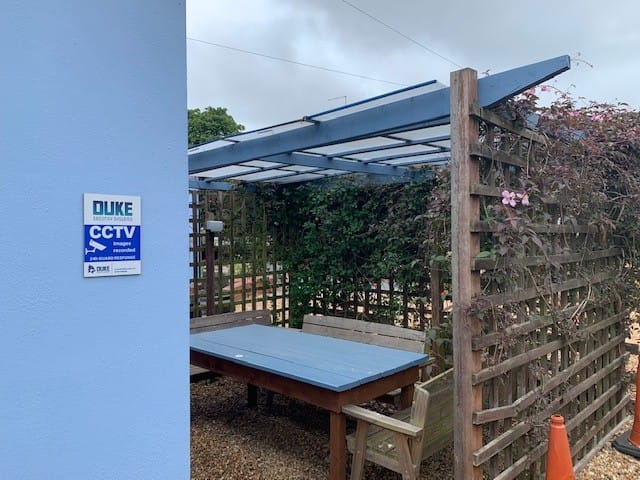
Displaying clear signage indicating the presence of CCTV is not only a legal requirement but also acts as a deterrent to potential intruders. Signs should be visible, legible, and include details such as the purpose of the surveillance and contact information.

For instance, a sign might read: “CCTV in operation for the purpose of crime prevention and public safety. For more information, contact [Your Contact Information].”

almas-industries.com

Appropriate signage ensures transparency and helps build trust with the public.

https://www.crimereductionsigns.com/nsp/wp-content/uploads/2020/09/CCTV-Signs-1-1536x1536.jpg

Conclusion

Effective CCTV camera placement involves careful consideration of technical specifications, legal requirements, and ethical responsibilities. By selecting the appropriate lens, mounting cameras at secure heights, respecting privacy, adhering to UK regulations, and displaying clear signage, you can create a surveillance system that is both effective and compliant.

For complex installations or to ensure full compliance with the law, it’s advisable to consult with security professionals. At Duke Security, we offer expert advice and services tailored to your specific needs. Feel free to contact us for assistance with your CCTV setup.

For more insights on enhancing your property’s security, check out our blog on protecting a garage from burglary.
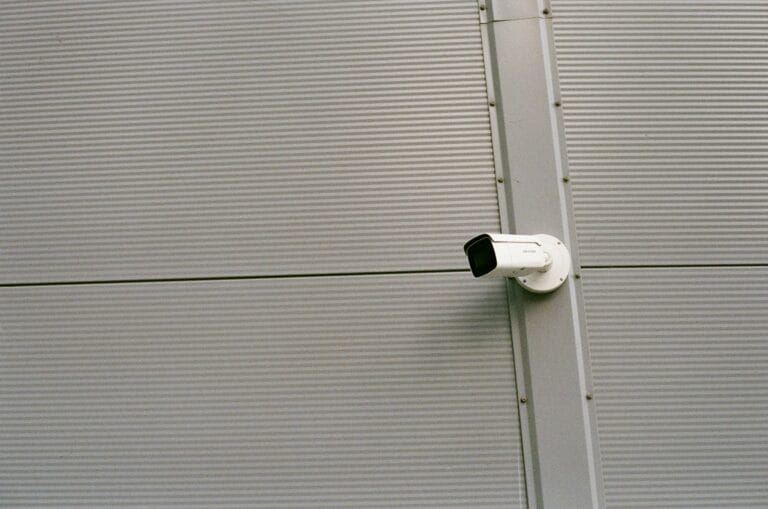
Table of Contents

Contact Us

Other Usefull Content
Hikvision ColorVu Features
What is Hikvision ColorVu?

ColorVu is on of Hikvision’s most important innovations to date, but what is it and how is it better than normal CCTV or Darkfighter technology. For years

Read More »
Duke Security Systems CCTV signage on pub premises in Peterborough — legally compliant data protection notice
Is Your Home CCTV System Actually Legal? What UK Homeowners Need to Know

There are an estimated 21 million CCTV cameras in the UK — and most of them are privately owned. Home CCTV has never been more popular, but there’s a question many homeowners have never properly considered: is my system actually legal? The answer depends almost entirely on where your cameras are pointing. Get it wrong and you can find yourself on the wrong side of UK data protection law. Here’s exactly what the ICO says, and what you need to do to stay compliant.

Read More »
Share:
Facebook
Twitter
Pinterest
LinkedIn
On Key

Related Posts

Range of Hikvision CCTV cameras available from Duke Security Systems Peterborough including turret, bullet and dome models

The Difference Between Cheap CCTV and a Professional Installation

That four-camera kit on Amazon looks tempting — but before you buy, there’s something worth knowing. UK experts estimate that nearly half of all CCTV cameras capture footage so poor it’s worthless in court, and a Home Office report found that over 80% of footage submitted to police can’t be used for investigative purposes. In this guide, I explain exactly where cheap CCTV falls short, why it can affect your insurance cover, and what a professionally installed system actually gives you that a kit from the internet simply can’t.

External grade CAT6 cable concealed in wall cavity during professional CCTV installation by Duke Security Systems Peterborough

How Much Does a CCTV System Cost in 2026? A Peterborough Installer’s Honest Guide

Most CCTV installers won’t give you a price until they’ve visited your property — and even then the quote often comes with day rates, monitoring contracts, and hidden extras that quietly add up. In this guide, I’m doing things differently: here are our actual fixed prices for every Hikvision package we install in Peterborough, what’s included as standard, and the hidden costs to watch out for when comparing quotes from other installers.

Duke Security Systems CCTV signage on pub premises in Peterborough — legally compliant data protection notice

Is Your Home CCTV System Actually Legal? What UK Homeowners Need to Know

There are an estimated 21 million CCTV cameras in the UK — and most of them are privately owned. Home CCTV has never been more popular, but there’s a question many homeowners have never properly considered: is my system actually legal? The answer depends almost entirely on where your cameras are pointing. Get it wrong and you can find yourself on the wrong side of UK data protection law. Here’s exactly what the ICO says, and what you need to do to stay compliant.

CCTV camera installation on lamppost by Duke Security Systems engineer in Peterborough

How to Secure Your Business Premises Overnight: A Practical Guide for Peterborough Business Owners

If you run a business in Peterborough, the hours between closing time and opening up the next morning are when your premises are most at risk — and almost two-thirds of all UK burglaries happen between 6pm and 6am. In this guide, I walk through the four layers of overnight protection I recommend to every business owner I survey: security lighting, CCTV, intruder alarms, and access control — and explain how, working together, they can provide up to 52 times more protection than having no security in place at all.

External alarm sounder installation on brick wall by Duke Security Systems engineer, Peterborough

Intruder Alarms vs CCTV: Do You Need Both?

Intruder alarm or CCTV — which does your home or business actually need? The honest answer is they do very different jobs, and relying on just one leaves a gap. In this guide, we break down exactly what each system does, where each falls short on its own, and why combining them offers up to 52 times more protection than no security at all.

Duke Security Facebook Logo
Privacy Overview

This website uses cookies so that we can provide you with the best user experience possible. Cookie information is stored in your browser and performs functions such as recognising you when you return to our website and helping our team to understand which sections of the website you find most interesting and useful.