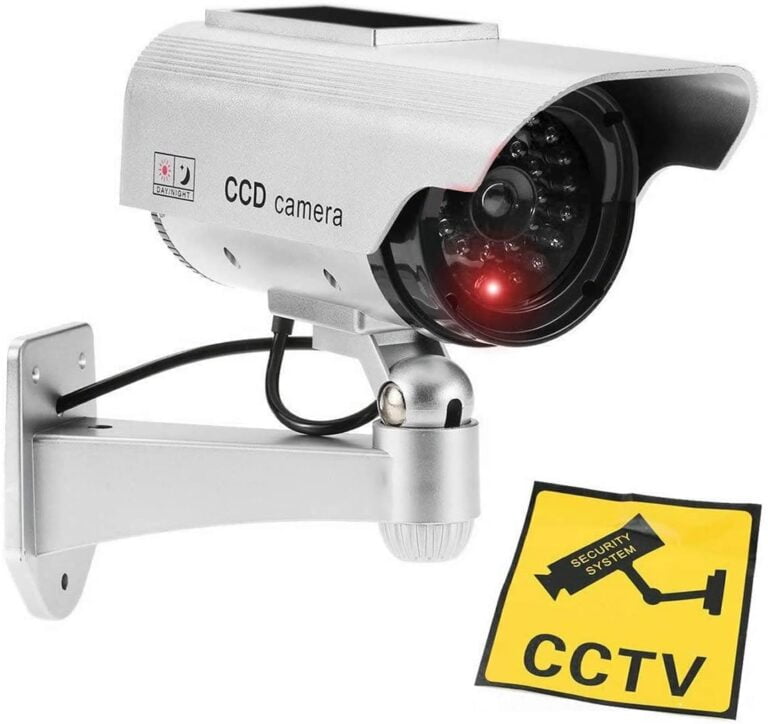
I understand the appeal. You’re on Amazon, you type in “CCTV camera,” and within thirty seconds you’re looking at a four-camera kit for £89.99 with a four-star rating and a couple of thousand reviews. It ships the next day. You can fit it yourself over a weekend. Job done.
Except — in most cases — it isn’t.
I’ve been called out to properties after break-ins where the homeowner had a full camera system in place, the incident was captured on video, and the footage was completely useless. Blurry faces. Washed-out images. Cameras pointing in entirely the wrong direction. No timestamps. No way for the police to use any of it.
In this guide, I want to be honest with you about where cheap CCTV falls short — and what a professionally installed system actually gives you that a kit from the internet simply can’t.
The Footage Quality Problem
Here’s a statistic that should give any homeowner pause: UK CCTV experts estimate that nearly half of all CCTV cameras in the UK capture footage so poor it is worthless in court. A separate joint report by the Home Office and police found that more than 80% of CCTV footage submitted to police is of such poor quality it cannot be used for investigative purposes.
Think about that for a moment. The majority of cameras installed across the UK — many of them on people’s homes and businesses — are providing little more than a false sense of security.
The reasons are almost always the same:
- ❌ Insufficient resolution — a low-megapixel camera can’t capture a recognisable face or a number plate at any meaningful distance, regardless of how clear it looks on the app thumbnail
- ❌ Poor night vision — most budget cameras switch to black-and-white infrared mode after dark, producing grainy footage with harsh shadows. In near-total darkness, they produce almost nothing usable
- ❌ Incorrect positioning — a camera pointed at the right area but at the wrong angle, height, or field of view captures the top of someone’s head rather than their face. This is by far the most common mistake on DIY installs
- ❌ Timestamp and metadata failures — cheap recorders often have clocks that drift or reset after a power cut, making footage inadmissible in court because the timeline can’t be verified
- ❌ Insufficient storage — entry-level systems frequently overwrite footage too quickly, meaning by the time a homeowner realises something has happened, the relevant footage is already gone
Seven well-positioned, properly configured cameras that capture clear footage will always provide more protection than twenty budget cameras recording unusable images. More cameras is not the same as better security.
The Insurance Problem
This is the issue that surprises people most. Many UK commercial insurance policies now stipulate that a professionally installed and maintained CCTV system must be in place to validate cover. If your system was self-installed from a retail kit and doesn’t meet the relevant standards, you may find that your insurer rejects or reduces a claim following a break-in — at exactly the moment you need the cover most.
For businesses in particular, insurers increasingly ask to see installation certificates, maintenance logs, and evidence that the system was designed and installed to recognised standards such as BS EN 62676. A Saturday afternoon DIY install from a kit box won’t provide any of that documentation.
Even for domestic properties, a professionally installed system with documented specifications strengthens your position significantly when making a claim — and some insurers will reduce premiums for homes with verified security measures in place.
What Professional Installation Actually Gives You
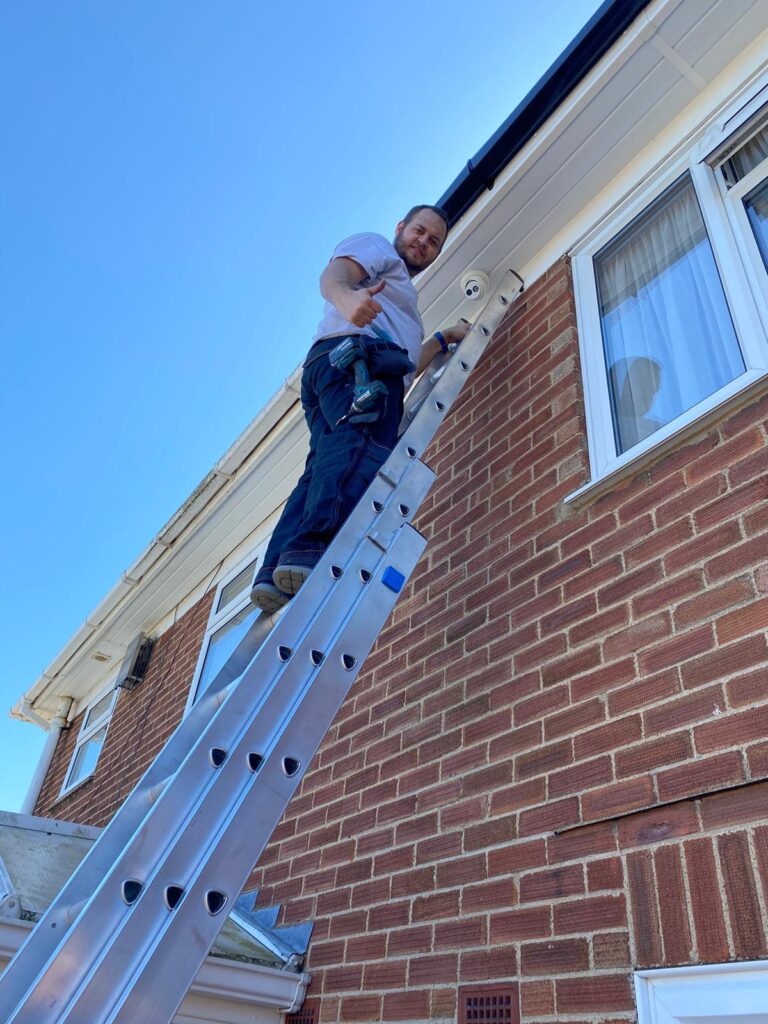
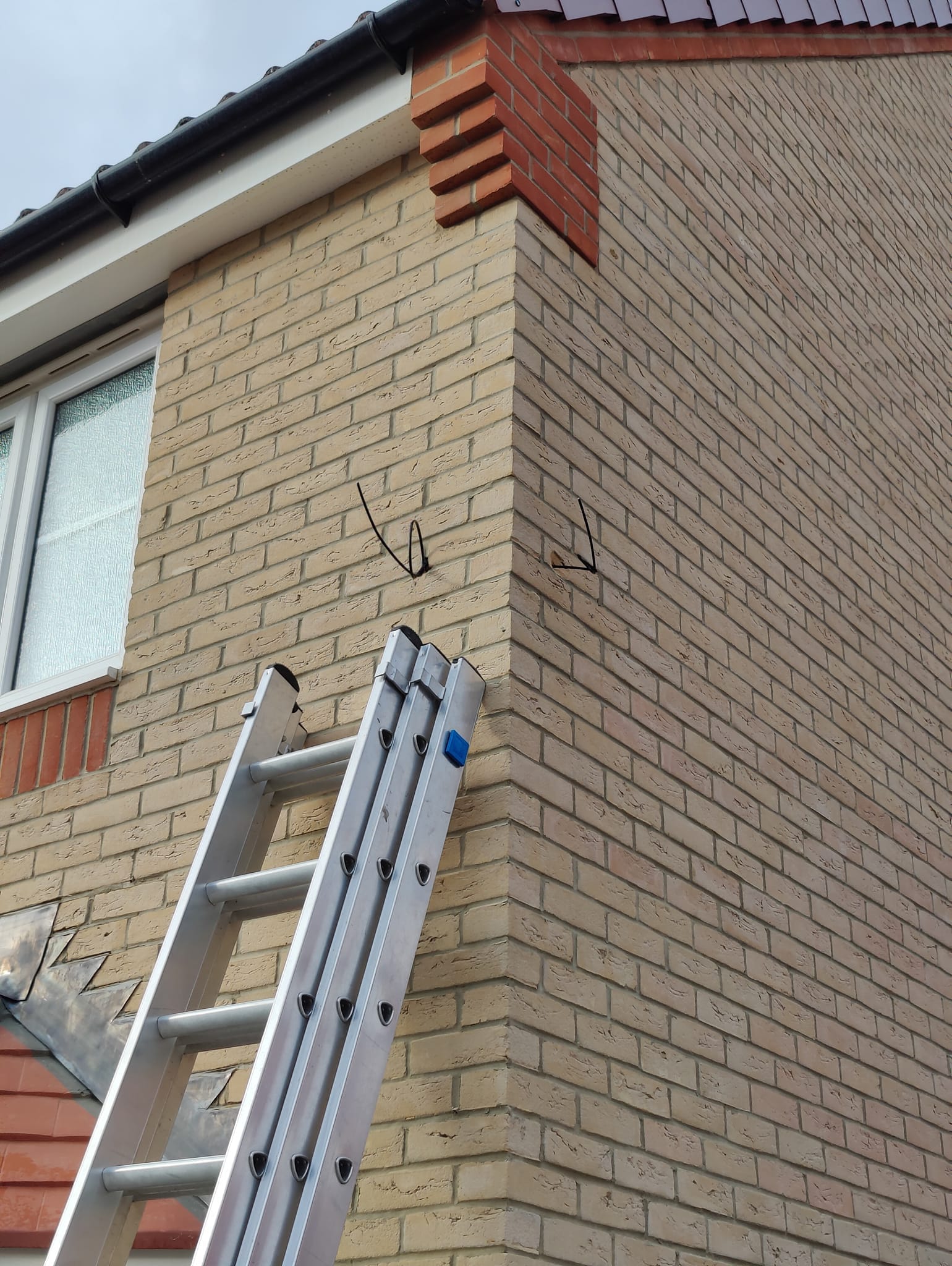
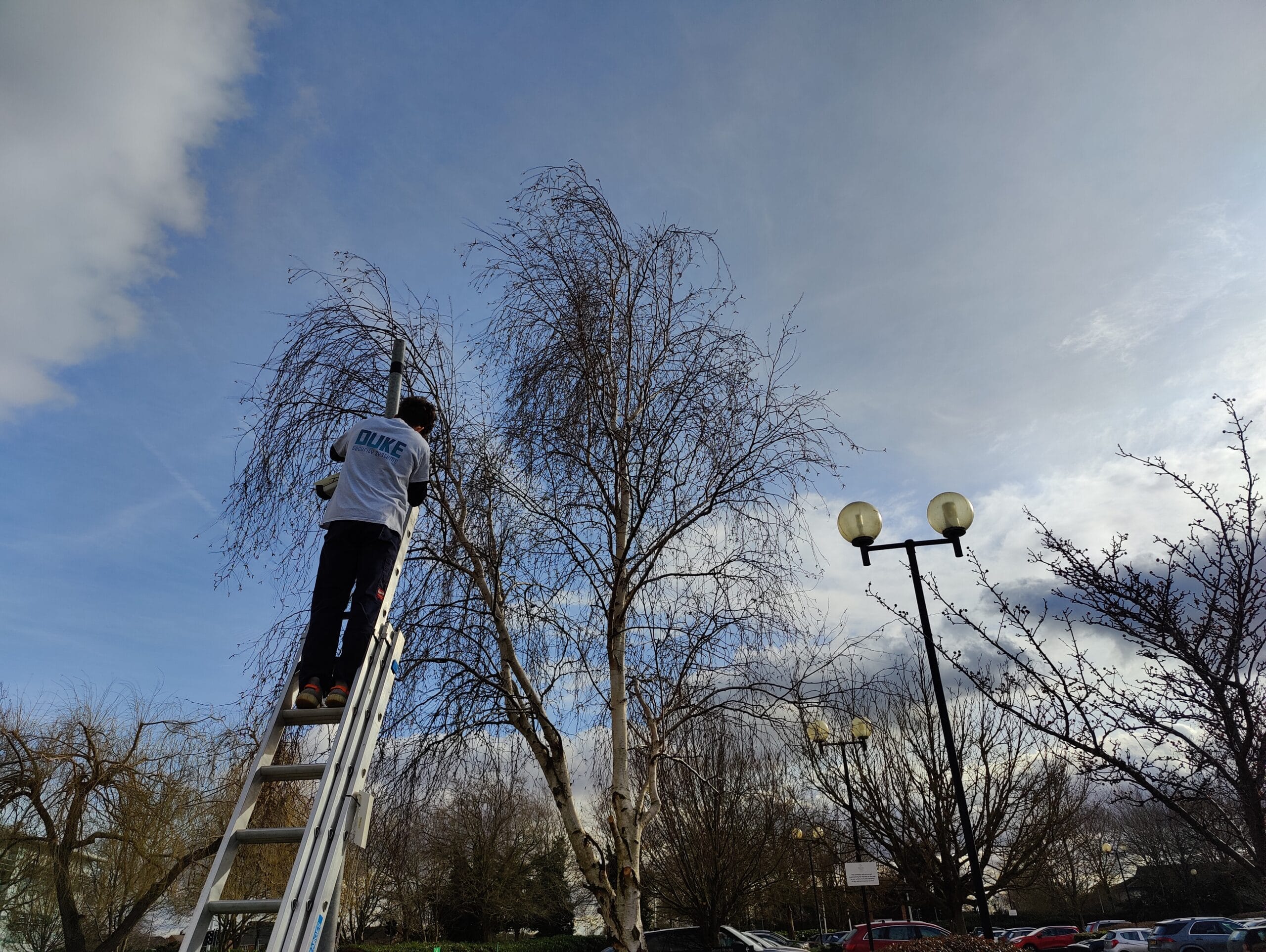
When I carry out a survey, the first thing I’m doing is assessing coverage — not just which areas need a camera, but exactly where each camera needs to be positioned to capture a usable image of anyone approaching or entering. The difference between a camera positioned at 2.4 metres and one at 3.2 metres can be the difference between capturing a clear facial image and capturing the top of a hood.
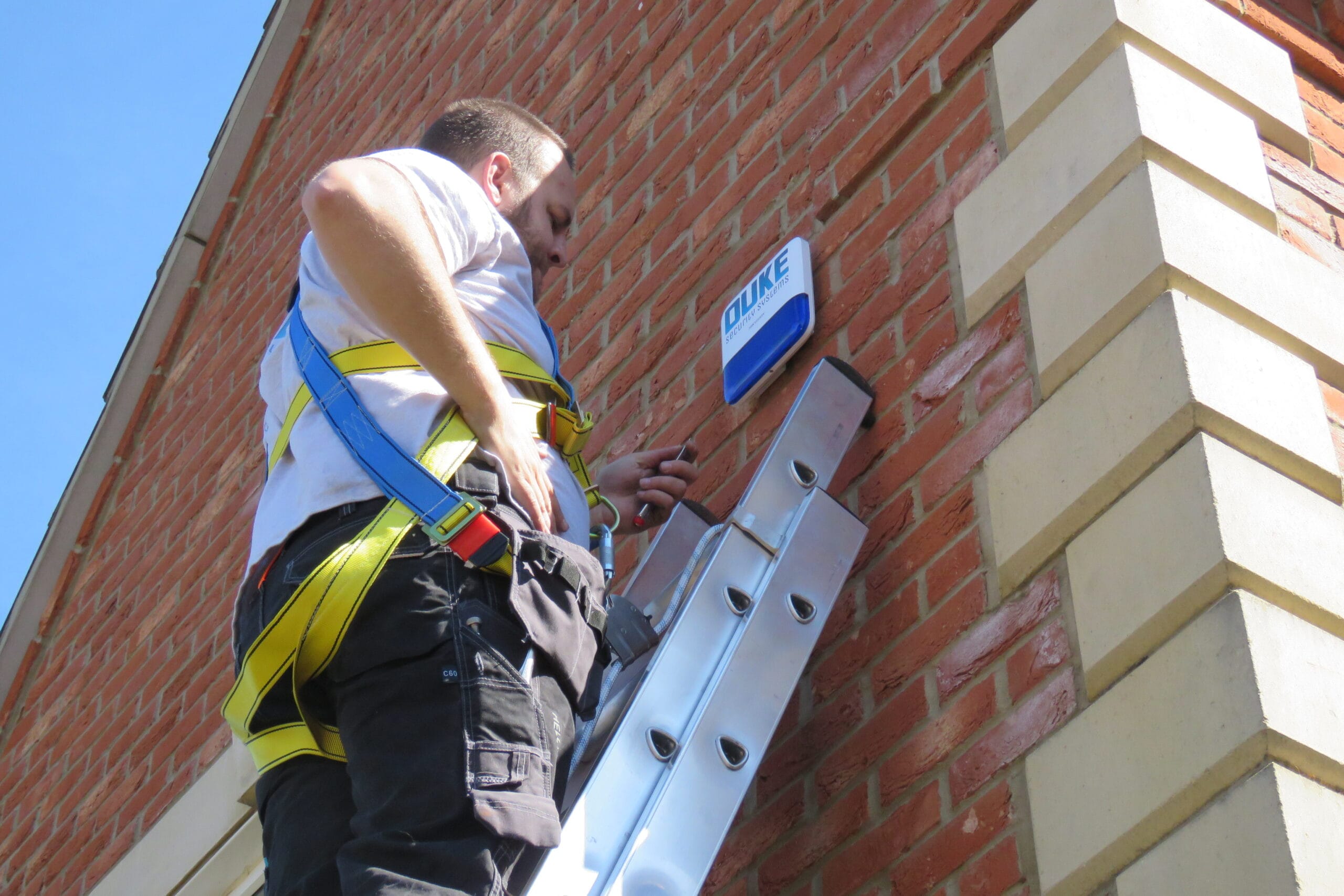
Beyond positioning, here’s what a professional installation provides that a DIY kit simply can’t:
- ✅ High-resolution cameras with genuine low-light performance — the Hikvision ColorVu and AcuSense cameras we install capture full-colour footage in near-total darkness, not grainy black-and-white
- ✅ Concealed cabling — all cables are run through walls, across lofts, or through conduit. No surface cables that can be cut, vandalised, or simply look unsightly
- ✅ Correct network and recording configuration — timestamps are accurate, footage is stored correctly, and the system exports in formats that are admissible as evidence
- ✅ App setup and testing — you leave with a working system you can view from your phone before I close the door behind me
- ✅ A documented installation — useful for insurance purposes and for any future sale of the property
- ✅ Warranty and servicing — every system we install comes with a 3-year parts warranty and first-year remote servicing included. If something goes wrong, we fix it
The False Economy
I’m not going to pretend there’s no price difference between a £90 Amazon kit and a professionally installed Hikvision system. There is. But it’s worth putting that difference in context.
The average cost of a burglary to a UK homeowner — taking into account stolen property, damage to the property, and the increase in insurance premiums that typically follows — is estimated at over £3,000. That doesn’t include the time lost, the stress involved, or the impact on your sense of security in your own home.
A cheap camera that fails to deter a burglar, fails to capture usable footage, and fails to support an insurance claim hasn’t saved you money. It’s cost you the price of the kit and delivered nothing in return.
A professionally installed system that deters the break-in in the first place — or captures clear, usable footage and supports a successful insurance claim if one does occur — is an investment that pays for itself.
What About Consumer Brands Like Ring?
Ring, Nest, and similar consumer-grade cameras sit somewhere between a cheap Amazon kit and a professional system. The hardware is generally decent, the app experience is polished, and they’re genuinely useful for monitoring a front door.
Where they fall short is in comprehensive coverage, low-light performance over distance, and the ongoing subscription costs that add up over time. A Ring camera covering your front door is better than nothing. It isn’t a substitute for a properly designed multi-camera system that covers every entry point, your perimeter, and your most vulnerable areas.
We actually install Ring products as part of our range where they’re the right tool for the job — but for whole-property protection, a networked Hikvision system designed specifically for your property will always outperform an off-the-shelf consumer product.
The Bottom Line
A camera on the wall is not the same as a security system. The difference between cheap CCTV and a professional installation isn’t just about the hardware — it’s about whether the footage you capture is actually useful when you need it, whether your insurance cover holds up, and whether the system acts as a genuine deterrent rather than a cosmetic one.
If you’d like an honest assessment of what your property needs, book a free, no-obligation survey with us. I’ll walk the site with you, explain exactly what I’d recommend and why, and give you a fixed-price quote with no pressure to proceed.
📞 01733 639096
🔗 Book your free security survey here
Duke Security Systems install Hikvision CCTV and wireless intruder alarm systems across Peterborough, Stamford, Kettering, and the surrounding area. All installations are carried out to professional standards with full compliance guidance included.