Introduction: A Changing Landscape in Home Security
Home security has come a long way from the days of simple locks and keys. With advancements in technology, today’s homeowners have access to smarter, more effective security solutions that not only deter burglars but also provide real-time monitoring and automation.
As a security expert, I’ve seen firsthand how these changes impact homeowners. A few years ago, I installed a basic alarm system for a client who was sceptical about smart security. Fast forward to today, and they’ve upgraded to a fully integrated system that allows them to check cameras, control locks, and receive alerts from anywhere in the world. The peace of mind they now have is priceless.
So, what’s next for home security? Let’s explore the future of home security technology and how it’s making homes safer than ever.
The Rise of Smart Home Security
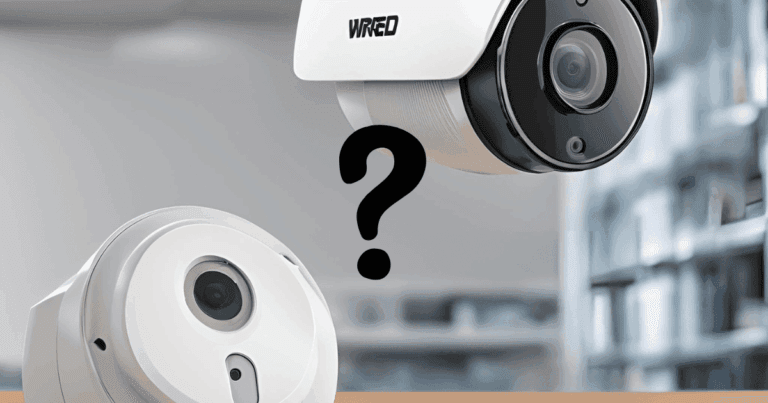
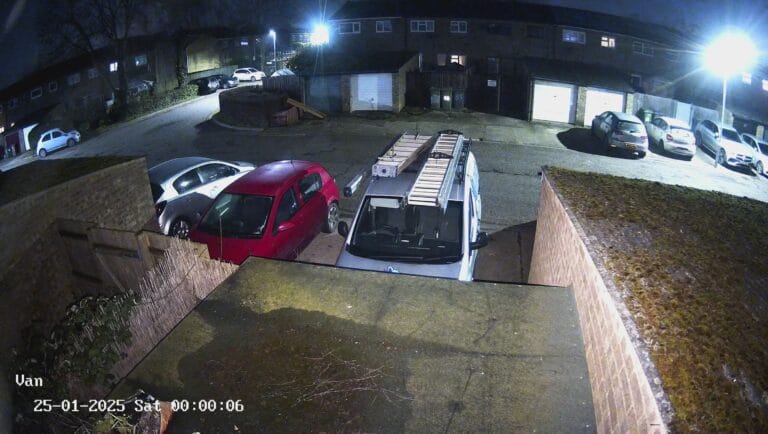
1. AI-Powered Surveillance Cameras
Security cameras have been around for decades, but artificial intelligence (AI) is taking them to the next level. Today’s AI-powered cameras can:
- Recognise faces and differentiate between family members, guests, and strangers.
- Detect unusual activity and notify homeowners instantly.
- Learn daily routines to avoid false alarms caused by pets or regular deliveries.
Gone are the days of endlessly scrolling through security footage. AI-enabled cameras can send you only the most relevant clips, making security smarter and more efficient.
2. Smart Door Locks and Access Control
Keys are slowly becoming a thing of the past. Smart locks offer homeowners more convenience and security by:
- Allowing remote access via smartphone apps.
- Using biometric authentication (fingerprint or facial recognition) for added security.
- Generating unique access codes for visitors, ensuring that no one has an unwanted copy of your key.
I remember a client who used to hide a spare key under a flowerpot—a trick that burglars are well aware of. After upgrading to a smart lock, they could let family members in remotely and monitor access history, eliminating the need for risky key-hiding spots.
Enhanced Security with IoT and Automation
3. Integrated Smart Security Systems
Modern home security is no longer about standalone alarms or cameras. The Internet of Things (IoT) has enabled seamless integration between security devices, allowing homeowners to:
- Control and monitor their security system through a single app.
- Sync security cameras with smart lights and alarms for enhanced deterrence.
- Receive instant alerts and footage on their smartphones when unusual activity is detected.
4. Predictive Home Security with AI
AI isn’t just for cameras—it’s also improving overall home security by predicting threats before they happen. AI-driven systems analyze patterns in behavior and alert homeowners if something seems off. For example:
- If your front door is usually locked by 10 PM but remains unlocked, the system sends an alert.
- If someone repeatedly lingers near your home, your smart security system can activate lights and cameras to deter them.
Future-Proofing Home Security with Biometrics and Encryption
5. Biometric Authentication for Ultimate Protection
Passwords and PINs are slowly being replaced by biometric security measures, such as:
- Fingerprint scanners on door locks.
- Facial recognition on security cameras.
- Voice recognition for access control.
These measures not only enhance security but also add convenience. No more worrying about forgotten passwords or stolen access codes!
6. End-to-End Encryption for Data Security
With all these smart security devices connected to the internet, cybersecurity is just as important as physical security. Future home security solutions are focusing on:
- End-to-end encryption to protect user data.
- Two-factor authentication for smart security apps.
- Secure cloud storage for video footage.
The Role of Drones in Home Security
7. Autonomous Security Drones
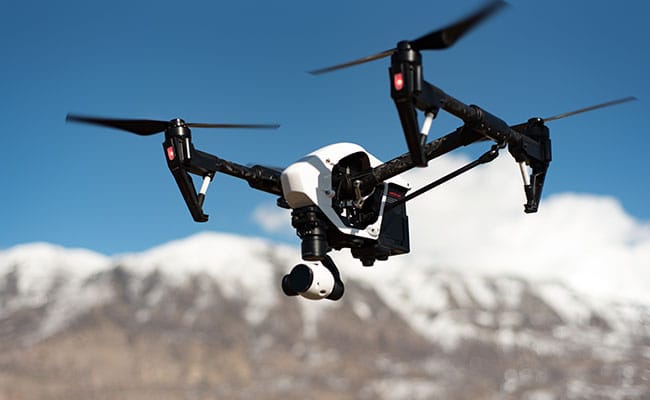
One of the most futuristic developments in home security is the use of security drones. These autonomous flying cameras can:
- Patrol your property and send live footage to your phone.
- Respond to motion detection alerts by flying to the detected area.
- Provide aerial surveillance in large properties where fixed cameras have blind spots.
While still in early development, security drones have the potential to revolutionize home security, offering on-demand, mobile surveillance like never before.
Conclusion: The Future is Secure
The future of home security is brighter than ever, with AI-powered cameras, smart locks, predictive security, and even drones working together to keep homes safer. While these technologies may seem futuristic, many are already available and becoming more affordable for everyday homeowners.
If you’re considering upgrading your home security, now is the time to explore these innovations. Duke Security is here to help you choose and install the best security solutions for your home. Give us a call at 01733 639096 to discuss how you can future-proof your home security today!
Don’t wait for a security breach to upgrade—embrace the future of home security now! 🔒🚀