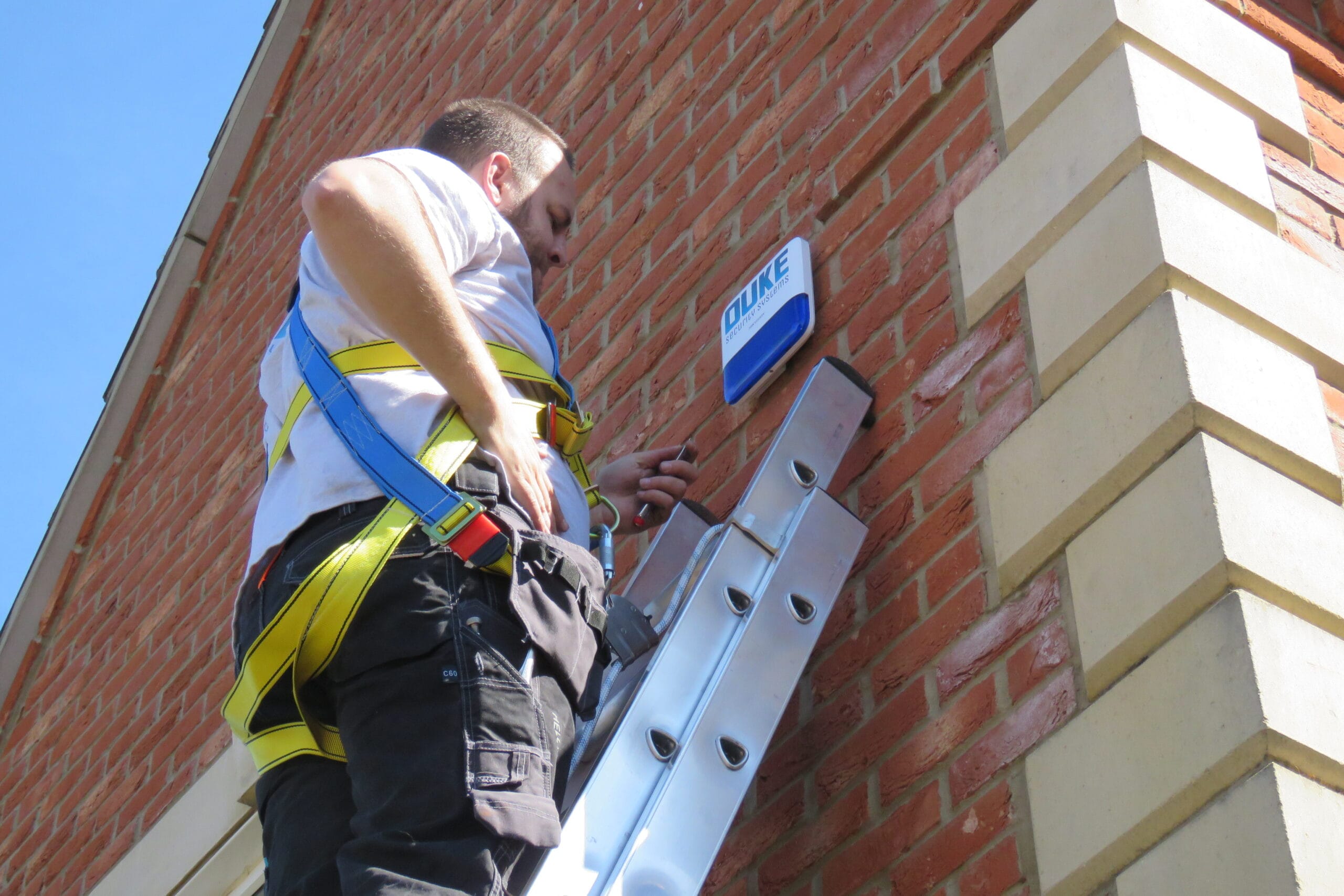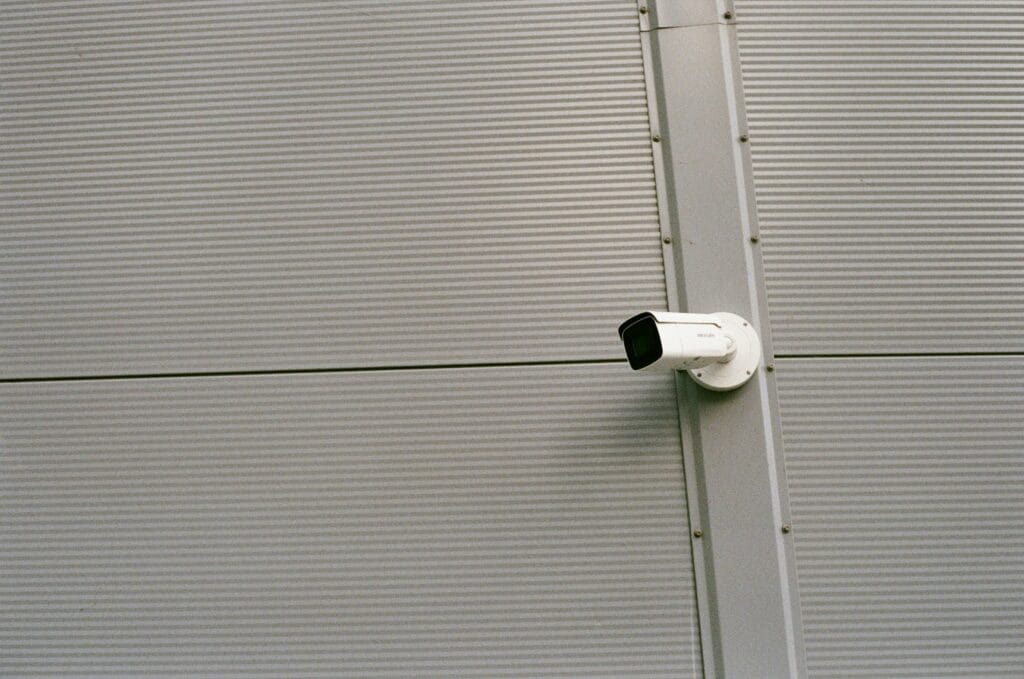

CCTV Camera installed on wall

Understanding CCTV Compression Formats: H.264, H.264+, H.265, and H.265+

At Duke Security, we’re committed to ensuring you have the latest information to make informed decisions about your CCTV installations. A critical aspect of CCTV system performance is the video compression standard used. This guide explores the four primary standards: H.264, H.264+, H.265, and H.265+, helping you understand which might best suit your security requirements.


What is Video Compression?

Video compression reduces video file sizes, allowing more footage to be stored on your CCTV’s storage drives and lowering bandwidth requirements for video streaming. This directly influences the performance, storage efficiency, and cost-effectiveness of your CCTV system.


H.264 (AVC – Advanced Video Coding)

H.264 has been the industry standard for many years due to its balance between video quality and compression efficiency.

Advantages:

  • Proven reliability and widely supported.
  • Good video quality at moderate storage sizes.

Disadvantages:

  • Higher bandwidth and storage requirements compared to newer standards.
  • Not optimal for high-resolution systems (4K+).

H.264+

H.264+ is an enhanced version of H.264 developed by manufacturers such as Hikvision. It optimises the standard by reducing redundant data, significantly improving compression efficiency.

Advantages:

  • Up to 50% reduction in bandwidth and storage compared to standard H.264.
  • Ideal for medium-sized installations.

Disadvantages:

  • Proprietary technology, compatibility limited to certain manufacturers (e.g., Hikvision).

H.265 (HEVC – High Efficiency Video Coding)

H.265 offers considerable advancements over H.264, especially beneficial for high-definition and ultra-high-definition CCTV cameras.

Advantages:

  • Approximately 50% more efficient than H.264.
  • Supports 4K and higher resolutions effectively.
  • Reduces overall storage requirements and bandwidth consumption.

Disadvantages:

  • Requires more processing power for encoding and decoding, leading to slightly higher hardware costs.
  • Less widely supported by older CCTV hardware.

H.265+

Building on H.265, Hikvision and other leading manufacturers developed H.265+, further enhancing video compression efficiency through intelligent analysis and data management.

Advantages:

  • Further bandwidth and storage reductions of up to 80% compared to H.264.
  • Optimal for modern, large-scale installations with numerous high-resolution cameras.
  • Exceptional performance in low-bandwidth network environments.

Disadvantages:

  • Proprietary enhancement; compatibility restricted to specific brands and newer devices.

Which Compression Format is Right for You?

  • Small to Medium Installations: H.264 or H.264+ offers reliability and efficiency with lower initial hardware costs.
  • Medium to Large Installations or High-Resolution Systems: H.265 or H.265+ significantly reduces storage and bandwidth, offering long-term cost savings despite higher initial equipment investment.

Duke Security’s Expert Recommendation

For future-proofing and cost efficiency, we often recommend H.265+ for new installations, especially if you’re installing modern, high-definition CCTV systems. However, if upgrading an existing system, compatibility checks are essential, and we can guide you through that process.

Need More Advice?

Contact Duke Security today on 01733 639096 or visit www.dukesecurity.co.uk to discuss your specific needs and how we can assist you in selecting the ideal CCTV solution.

Table of Contents

Contact Us

Other Usefull Content
External alarm sounder installation on brick wall by Duke Security Systems engineer, Peterborough
Intruder Alarms vs CCTV: Do You Need Both?

Intruder alarm or CCTV — which does your home or business actually need? The honest answer is they do very different jobs, and relying on just one leaves a gap. In this guide, we break down exactly what each system does, where each falls short on its own, and why combining them offers up to 52 times more protection than no security at all.

Read More »
Share:
Facebook
Twitter
Pinterest
LinkedIn
On Key

Related Posts

Range of Hikvision CCTV cameras available from Duke Security Systems Peterborough including turret, bullet and dome models

The Difference Between Cheap CCTV and a Professional Installation

That four-camera kit on Amazon looks tempting — but before you buy, there’s something worth knowing. UK experts estimate that nearly half of all CCTV cameras capture footage so poor it’s worthless in court, and a Home Office report found that over 80% of footage submitted to police can’t be used for investigative purposes. In this guide, I explain exactly where cheap CCTV falls short, why it can affect your insurance cover, and what a professionally installed system actually gives you that a kit from the internet simply can’t.

External grade CAT6 cable concealed in wall cavity during professional CCTV installation by Duke Security Systems Peterborough

How Much Does a CCTV System Cost in 2026? A Peterborough Installer’s Honest Guide

Most CCTV installers won’t give you a price until they’ve visited your property — and even then the quote often comes with day rates, monitoring contracts, and hidden extras that quietly add up. In this guide, I’m doing things differently: here are our actual fixed prices for every Hikvision package we install in Peterborough, what’s included as standard, and the hidden costs to watch out for when comparing quotes from other installers.

Duke Security Systems CCTV signage on pub premises in Peterborough — legally compliant data protection notice

Is Your Home CCTV System Actually Legal? What UK Homeowners Need to Know

There are an estimated 21 million CCTV cameras in the UK — and most of them are privately owned. Home CCTV has never been more popular, but there’s a question many homeowners have never properly considered: is my system actually legal? The answer depends almost entirely on where your cameras are pointing. Get it wrong and you can find yourself on the wrong side of UK data protection law. Here’s exactly what the ICO says, and what you need to do to stay compliant.

CCTV camera installation on lamppost by Duke Security Systems engineer in Peterborough

How to Secure Your Business Premises Overnight: A Practical Guide for Peterborough Business Owners

If you run a business in Peterborough, the hours between closing time and opening up the next morning are when your premises are most at risk — and almost two-thirds of all UK burglaries happen between 6pm and 6am. In this guide, I walk through the four layers of overnight protection I recommend to every business owner I survey: security lighting, CCTV, intruder alarms, and access control — and explain how, working together, they can provide up to 52 times more protection than having no security in place at all.

External alarm sounder installation on brick wall by Duke Security Systems engineer, Peterborough

Intruder Alarms vs CCTV: Do You Need Both?

Intruder alarm or CCTV — which does your home or business actually need? The honest answer is they do very different jobs, and relying on just one leaves a gap. In this guide, we break down exactly what each system does, where each falls short on its own, and why combining them offers up to 52 times more protection than no security at all.

Duke Security Facebook Logo
Privacy Overview

This website uses cookies so that we can provide you with the best user experience possible. Cookie information is stored in your browser and performs functions such as recognising you when you return to our website and helping our team to understand which sections of the website you find most interesting and useful.