
The Benefits of Night Vision Cameras

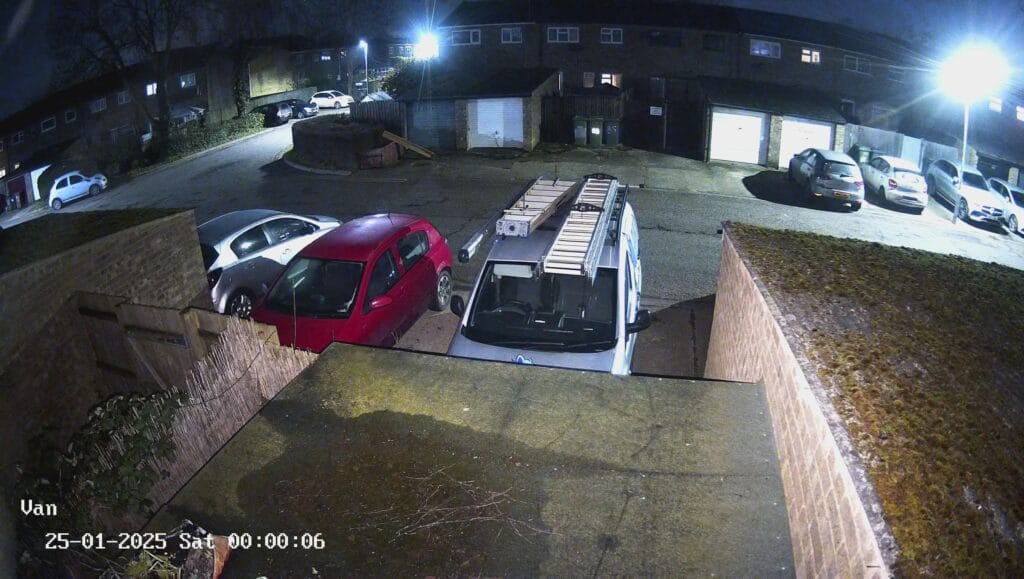
When it comes to ensuring 24/7 security, the ability to capture clear footage in low-light or complete darkness is crucial. Night vision cameras have become a cornerstone of modern CCTV systems, offering various technologies to suit different needs. In this blog, we’ll explore the benefits of night vision cameras and compare three key types: cameras with no infra-red, infra-red cameras, and cameras with supplementary light, such as Hikvision’s ColourVu series.

1. Cameras Without Infra-Red Night Vision

These cameras rely solely on ambient light to capture images. While they can perform well in well-lit environments, they struggle significantly in low-light or dark conditions.

Pros:

  • Cost-effective for areas with consistent lighting, such as indoor spaces or near streetlights.
  • No additional light sources are required, reducing power consumption.

Cons:

  • Poor performance in darkness, leading to grainy or unusable footage.
  • Limited suitability for outdoor or unlit areas.

Best For: Environments with constant lighting where night-time visibility isn’t a concern.
2. Infra-Red Night Vision Cameras

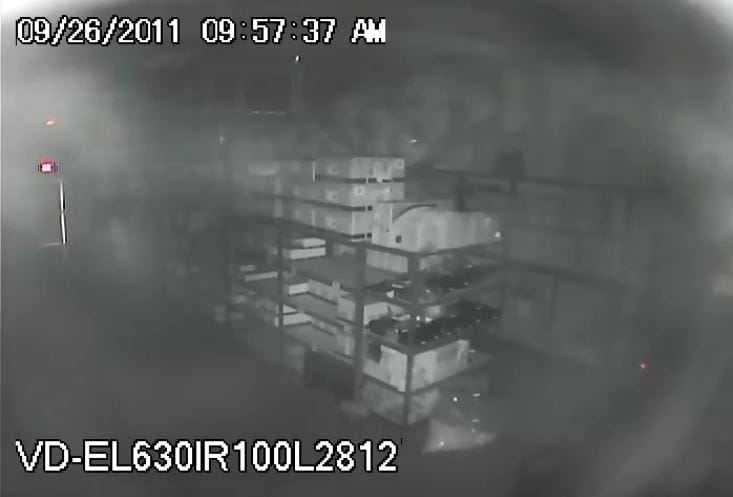
Infra-red (IR) cameras (such as Hikvision’s Darkfighter series) use invisible IR light to illuminate dark areas, allowing the camera to capture black-and-white footage in complete darkness. This technology is widely used in traditional CCTV systems.

Pros:

  • Reliable performance in complete darkness.
  • Invisible illumination means the cameras don’t disrupt the environment.
  • Affordable and widely available.

Cons:

  • Footage is in black and white, which may limit detail recognition.
  • Objects close to the camera may appear overexposed due to IR light reflection.

Best For: General-purpose security where functionality in total darkness is essential.

3. Cameras with Supplementary Light (e.g., Hikvision’s ColourVu)

Cameras with supplementary light, such as the ColourVu series, use built-in white or warm light to capture full-colour images even in low-light or no-light conditions. This innovative technology combines high-performance sensors with constant lighting.

Pros:

  • Provides full-colour footage, even at night, improving detail and identification.
  • Effective in areas with minimal or no ambient light.
  • Deters intruders with visible light, enhancing security.

Cons:

  • May cause light pollution in sensitive environments.
  • Requires more power than IR cameras due to the supplementary light.

Best For: Situations where full-colour footage is critical, such as identifying clothing colours, vehicle details, or facial features.

Key Benefits of Night Vision Cameras

Regardless of the type, night vision cameras offer several advantages:

  1. Enhanced Security: Night vision ensures 24/7 monitoring, deterring potential intruders.
  2. Clear Evidence: High-quality footage aids in identifying suspects and solving incidents.
  3. Peace of Mind: Knowing your property is protected around the clock offers unparalleled reassurance.

Choosing the Right Camera for Your Needs

The ideal night vision camera depends on your specific requirements:

  • If cost is a primary concern and lighting is consistent, cameras without infra-red may suffice.
  • For general security in dark environments, infra-red cameras are a reliable choice.
  • If capturing detailed, full-colour footage is essential, consider investing in supplementary light cameras like Hikvision’s ColourVu.

Conclusion

Night vision cameras are an invaluable asset in any security setup. By understanding the differences between available technologies, you can select a solution that best meets your needs and budget. At Duke Security, we offer a range of CCTV systems tailored to your unique requirements. Contact us today for a free, no-obligation survey and let us help you safeguard your property with cutting-edge night vision technology.

Table of Contents

Contact Us

Other Usefull Content
Industrial site at night
Our guide to industrial CCTV

Industrial CCTV: The Key to Effective Industrial Site Security When it comes to protecting industrial sites, security is paramount. Warehouses, factories, construction sites, and manufacturing

Read More »
Share:
Facebook
Twitter
Pinterest
LinkedIn
On Key

Related Posts

Range of Hikvision CCTV cameras available from Duke Security Systems Peterborough including turret, bullet and dome models

The Difference Between Cheap CCTV and a Professional Installation

That four-camera kit on Amazon looks tempting — but before you buy, there’s something worth knowing. UK experts estimate that nearly half of all CCTV cameras capture footage so poor it’s worthless in court, and a Home Office report found that over 80% of footage submitted to police can’t be used for investigative purposes. In this guide, I explain exactly where cheap CCTV falls short, why it can affect your insurance cover, and what a professionally installed system actually gives you that a kit from the internet simply can’t.

External grade CAT6 cable concealed in wall cavity during professional CCTV installation by Duke Security Systems Peterborough

How Much Does a CCTV System Cost in 2026? A Peterborough Installer’s Honest Guide

Most CCTV installers won’t give you a price until they’ve visited your property — and even then the quote often comes with day rates, monitoring contracts, and hidden extras that quietly add up. In this guide, I’m doing things differently: here are our actual fixed prices for every Hikvision package we install in Peterborough, what’s included as standard, and the hidden costs to watch out for when comparing quotes from other installers.

Duke Security Systems CCTV signage on pub premises in Peterborough — legally compliant data protection notice

Is Your Home CCTV System Actually Legal? What UK Homeowners Need to Know

There are an estimated 21 million CCTV cameras in the UK — and most of them are privately owned. Home CCTV has never been more popular, but there’s a question many homeowners have never properly considered: is my system actually legal? The answer depends almost entirely on where your cameras are pointing. Get it wrong and you can find yourself on the wrong side of UK data protection law. Here’s exactly what the ICO says, and what you need to do to stay compliant.

CCTV camera installation on lamppost by Duke Security Systems engineer in Peterborough

How to Secure Your Business Premises Overnight: A Practical Guide for Peterborough Business Owners

If you run a business in Peterborough, the hours between closing time and opening up the next morning are when your premises are most at risk — and almost two-thirds of all UK burglaries happen between 6pm and 6am. In this guide, I walk through the four layers of overnight protection I recommend to every business owner I survey: security lighting, CCTV, intruder alarms, and access control — and explain how, working together, they can provide up to 52 times more protection than having no security in place at all.

External alarm sounder installation on brick wall by Duke Security Systems engineer, Peterborough

Intruder Alarms vs CCTV: Do You Need Both?

Intruder alarm or CCTV — which does your home or business actually need? The honest answer is they do very different jobs, and relying on just one leaves a gap. In this guide, we break down exactly what each system does, where each falls short on its own, and why combining them offers up to 52 times more protection than no security at all.

Duke Security Facebook Logo
Privacy Overview

This website uses cookies so that we can provide you with the best user experience possible. Cookie information is stored in your browser and performs functions such as recognising you when you return to our website and helping our team to understand which sections of the website you find most interesting and useful.