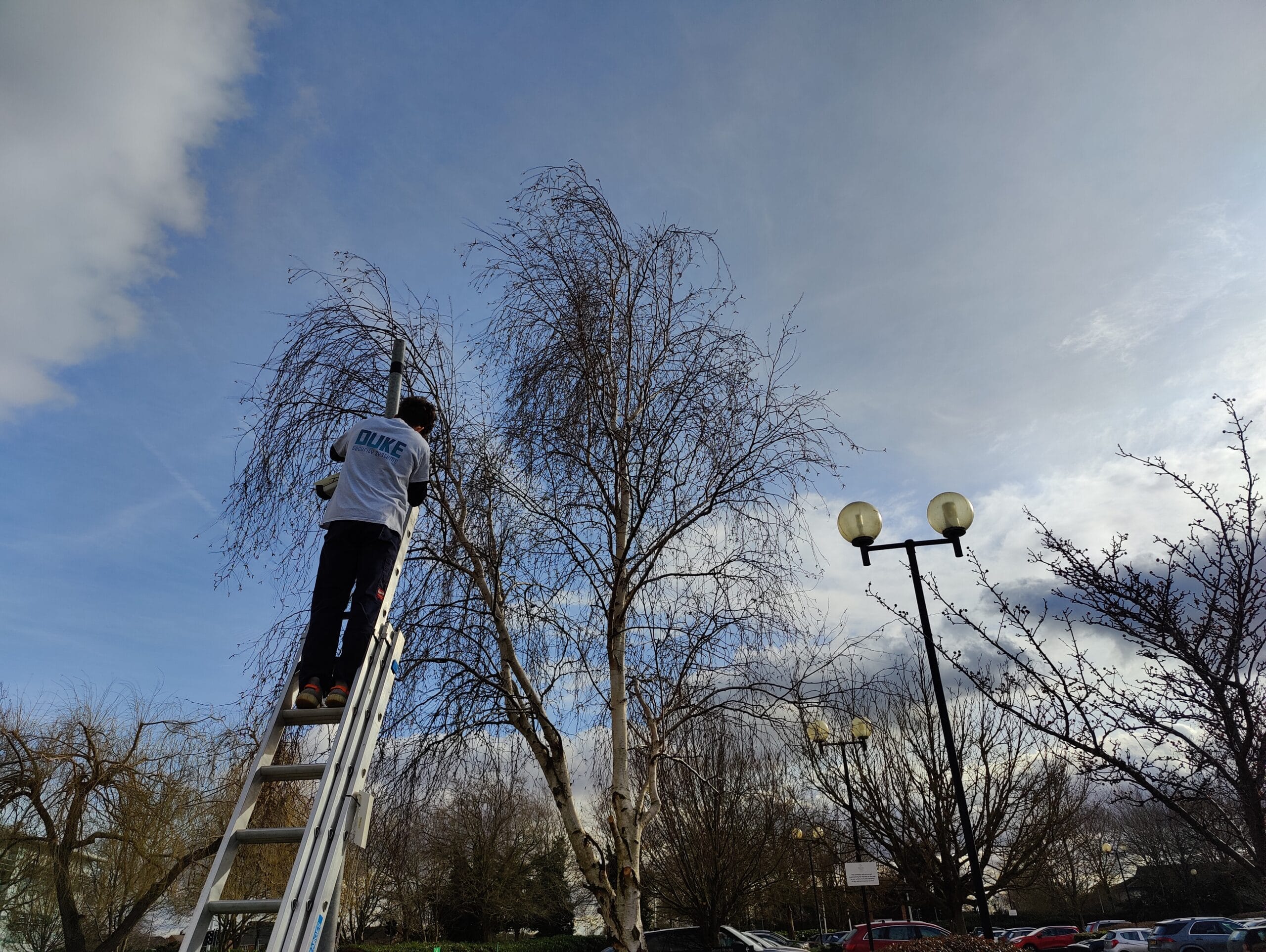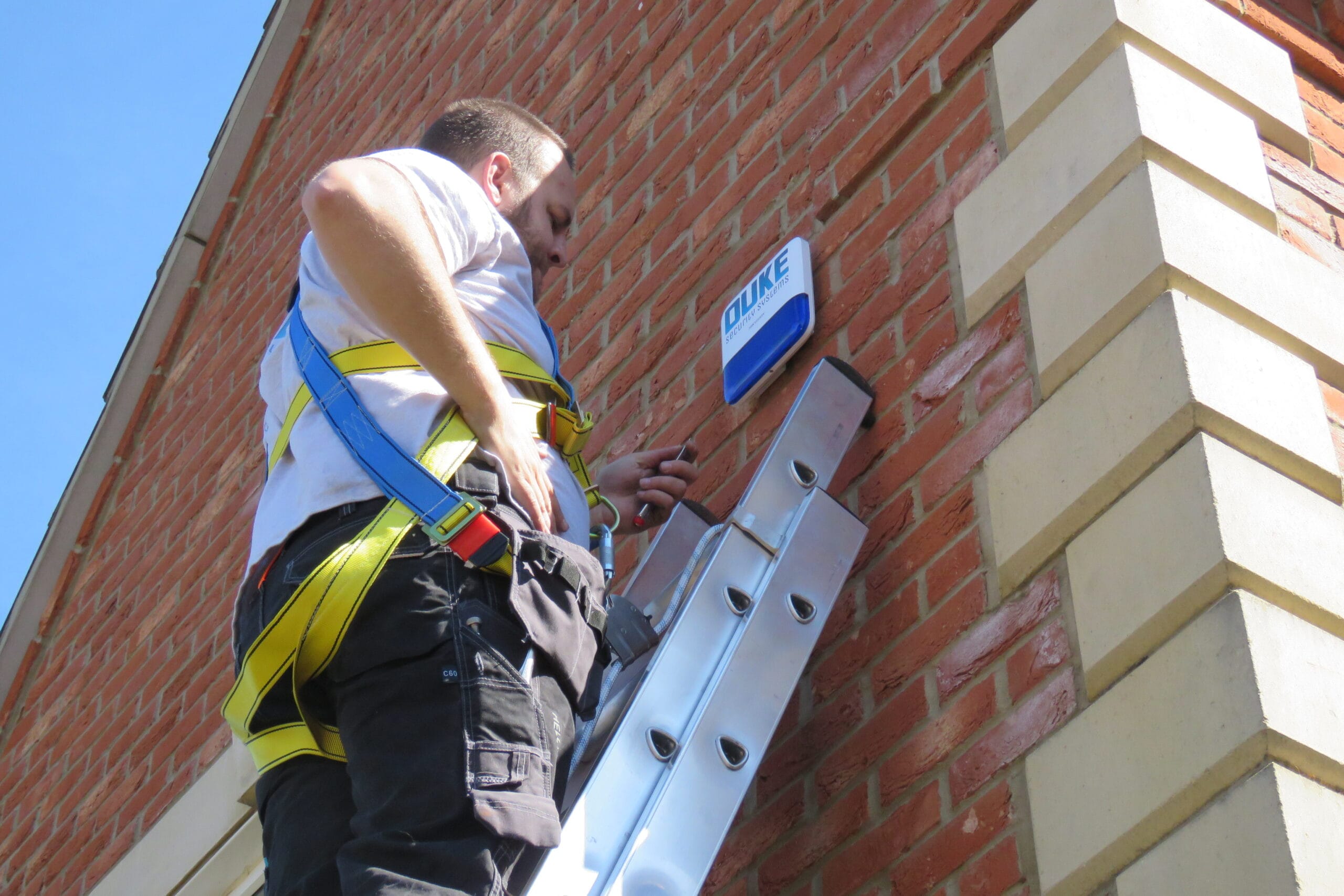
When it comes to installing a CCTV system, you’re faced with two primary options: tackling the job yourself (DIY) or hiring a professional installer. Each approach has its pros and cons, and the best choice depends on your needs, budget, and expertise. Let’s explore the key considerations to help you decide which is right for you.
DIY Installation: The Pros and Cons
DIY CCTV installation has become increasingly popular, thanks to the availability of user-friendly kits and online tutorials. However, it’s not without its challenges.
Advantages of DIY Installation
- Cost Savings: DIY installation can save you money on labour costs, as you’re only paying for the equipment.
- Flexibility: You can set up the system at your own pace and make adjustments as you go.
- Learning Opportunity: Installing a CCTV system yourself can be a rewarding experience, especially if you enjoy hands-on projects.
Disadvantages of DIY Installation
- Time-Consuming: Installing a CCTV system, especially for larger properties, can take considerable time.
- Limited Expertise: Without professional training, you may struggle to optimise camera placement, cabling, and settings.
- Risk of Errors: Improper installation could lead to blind spots, poor video quality, or connectivity issues.
- Warranty Concerns: Some manufacturers may void equipment warranties if the system isn’t installed by a professional.
Professional Installation: The Pros and Cons
Hiring a professional CCTV installer offers a different set of benefits and trade-offs. Here’s what to consider:
Advantages of Professional Installation
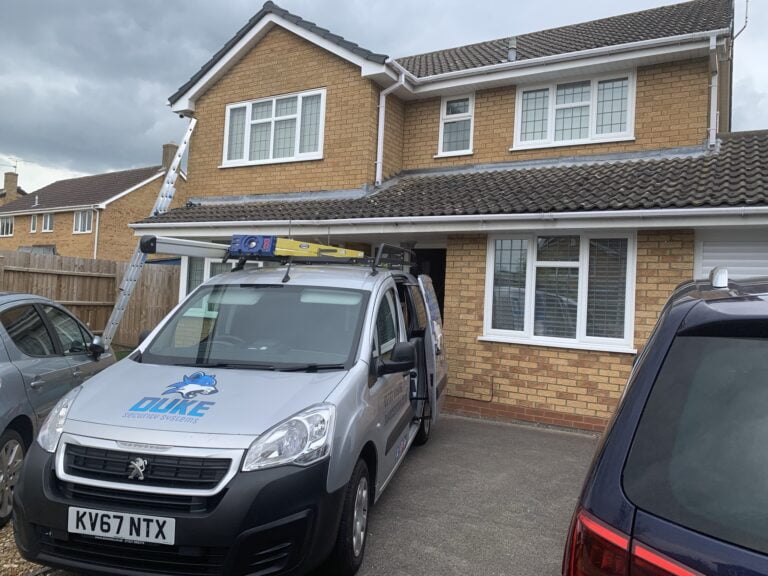
- Expertise and Precision: Professionals know how to position cameras for optimal coverage and can ensure the system works flawlessly.
- Time-Efficient: A professional team can complete the installation quickly, minimising disruption to your home or business.
- Access to Advanced Equipment: Professionals often have access to high-quality equipment that might not be available in DIY kits.
- Compliance with Regulations: Professional installers are familiar with privacy laws and industry standards, ensuring your system complies with all legal requirements.
- After-Sales Support: Many installers offer ongoing maintenance and support, giving you peace of mind.
Disadvantages of Professional Installation
- Higher Initial Cost: Hiring a professional comes with labour costs, which can increase the overall expense.
- Less Control: You’ll need to trust the installer’s judgement, which may limit your involvement in the setup process.
- Scheduling: You may need to coordinate with the installer’s availability, which could delay the project.
Key Factors to Consider
When deciding between DIY and professional installation, ask yourself the following questions:
- What’s Your Budget?
- If you’re on a tight budget, DIY installation might be the more affordable option. However, consider the long-term costs of potential mistakes or equipment upgrades.
- How Complex Is the Installation?
- For small, straightforward setups, DIY may suffice. For larger properties or advanced systems, professional expertise is highly recommended.
- Do You Have the Time and Skills?
- If you’re confident in your technical abilities and have the time to dedicate to the project, DIY could work. Otherwise, leave it to the professionals.
- What Level of Security Do You Need?
- High-security environments, such as businesses or areas with valuable assets, often require the precision and reliability of professional installation.
Conclusion
Both DIY and professional installation have their merits, and the best choice depends on your unique circumstances. DIY installation can be a cost-effective and flexible option for those with the time and technical know-how. However, for larger, more complex projects or if you value peace of mind, professional installation is the safer bet.
If you’re considering a CCTV system, weigh the pros and cons carefully. For expert advice and reliable service, contact a trusted local CCTV installer who can guide you through the process and ensure your property is well-protected.