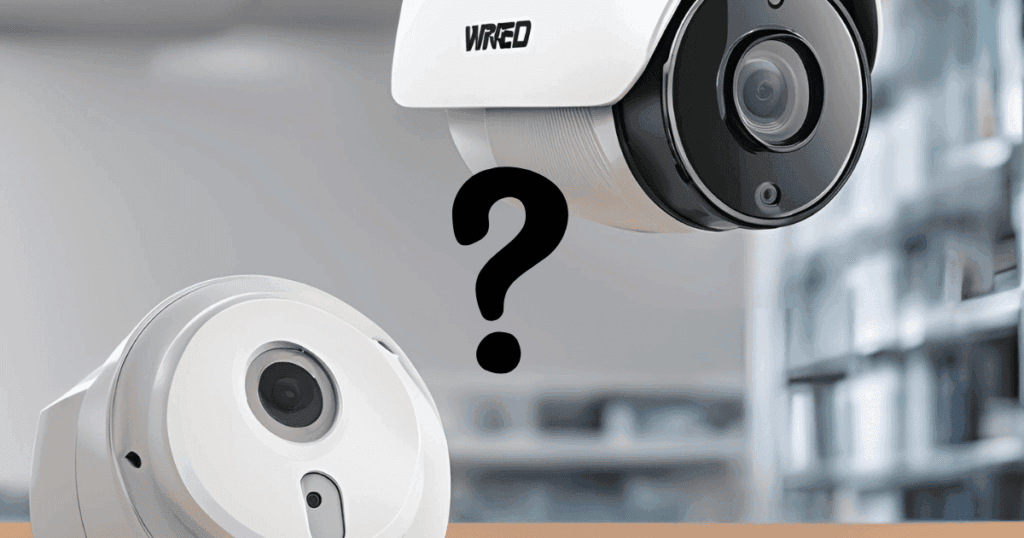

When setting up a CCTV system, one of the biggest decisions you’ll face is choosing between wired and wireless cameras, each option has its advantages, but for long-term reliability, wired CCTV is the superior choice. While wireless cameras offer convenience and a clean, cable-free look, they come with compromises in security, reliability, and performance.
In this guide, we’ll break down the key differences, advantages, and disadvantages of both wired and wireless CCTV systems, helping you make an informed decision.
A Brief History of CCTV: The Evolution of Surveillance Cameras
CCTV technology has come a long way. In the early days, surveillance systems relied on bulky, wired setups with coaxial cables connecting cameras to recording devices. These systems require significant infrastructure, making them costly and time-consuming to install.
As technology advanced, wireless CCTV cameras entered the market, promising easy installation and flexibility. However, as I’ve seen in my years of experience, wireless systems often fail to deliver the reliability and performance needed for serious security applications.
Wired CCTV Systems: The Gold Standard in Security
How Wired CCTV Works
Wired CCTV cameras use cables to connect directly to a DVR (Digital Video Recorder) or NVR (Network Video Recorder). These cables transmit both power and video signals, ensuring a stable, interference-free connection.
Pros of Wired CCTV
✅ Unmatched Reliability – A hardwired connection never drops due to WiFi interference or network outages. Your security system stays functional 24/7. ✅ Superior Video Quality – Wired systems provide consistent, high-quality video, with no lag, buffering, or compression artifacts. ✅ No Security Vulnerabilities – Wireless cameras are prone to hacking, while wired CCTV systems operate on a closed network, making them far more secure. (Learn more about CCTV security risks here). ✅ Ideal for Long-Term Use – Wired systems last for years with minimal maintenance, unlike wireless cameras that require frequent battery changes or WiFi troubleshooting. ✅ More Affordable in the Long Run – While the initial setup may be more expensive, wired CCTV saves money over time by avoiding costly upgrades, battery replacements, or unreliable cloud storage fees (read more).
Cons of Wired CCTV
❌ Installation Requires Planning – Running cables through walls and ceilings requires professional installation. ❌ Visible Wiring (Without Proper Concealment) – Some users find exposed cables unsightly, but this can be easily managed with trunking or professional cable routing.
Wireless CCTV Systems: Convenience at a Cost
How Wireless CCTV Works
Wireless CCTV cameras transmit video over WiFi, sending footage to an NVR, cloud storage, or mobile app. Some models are battery-powered, while others require a power source but operate without video cables.
Pros of Wireless CCTV
✅ No Cables on Show – The biggest advantage of wireless CCTV is the clean, cable-free look. If aesthetics are a priority, this may be a good option. ✅ Quick & Easy Installation – No drilling or cable routing means you can install them in minutes. ✅ Flexible Placement – Can be mounted in locations where running cables is impractical. ✅ Remote Access – Easily check footage from anywhere via a mobile app (see an example).
Cons of Wireless CCTV
❌ WiFi Interference – Wireless signals can be disrupted by thick walls, distance, or even other household devices. ❌ Lower Video Quality – Compression reduces video clarity, particularly at high resolutions like 4K. ❌ Battery Life Issues – Battery-powered cameras require frequent recharging, making them unreliable for continuous surveillance. ❌ Security Risks – Wireless cameras can be hacked or jammed, leaving your property vulnerable. ❌ Subscription Fees – Many wireless cameras rely on cloud storage, which often requires a paid subscription.
Wired vs. Wireless CCTV: Which Is the Best Choice for Serious Security
I’ve seen countless businesses and homeowners switch from wireless CCTV back to wired due to poor WiFi reliability and security concerns. One client, a local business owner, initially installed wireless cameras to avoid the hassle of wiring. Within months, he faced footage dropouts, battery failures, and even a hacking attempt on his system. Frustrated, he upgraded to a wired CCTV system, and since then, his security has been rock-solid.
Wired CCTV Is Best If You:
- Prioritise reliability and need 24/7 security without downtime.
- Require high-resolution video without compression or lag.
- Want the most secure option with no hacking risks.
- Need a long-term investment with minimal maintenance.
Wireless CCTV Might Work If You:
- Hate visible cables and prefer an easy setup.
- Are renting and can’t install a permanent system.
- Only need occasional monitoring, rather than continuous surveillance.
Conclusion: Wired vs. Wireless CCTV – The Clear Winner
While wireless CCTV may be tempting for its ease of installation and clean look, it simply cannot match the reliability, security, and video quality of wired CCTV systems.
If you want peace of mind, consistent security, and a long-term investment, wired CCTV is the best choice. Wireless cameras have their place, particularly for renters or aesthetic-focused users, but when security is a priority, wired CCTV wins every time.
Need expert advice? Duke Security can help you set up a high-quality wired CCTV system tailored to your home or business.
📞 Call us at 01733 639096
🌐 Visit us at www.dukesecurity.co.uk